
The majority of the Trust’s funding supports organizations that provide direct services to individuals. In addition, the Trust supports organizations intervening at various levels to effect positive change – the individual, the family, and the community – as well as organizations striving to bring about changes in systems, policies, and/or behaviors that contribute to improved well-being and opportunity for its focus populations.
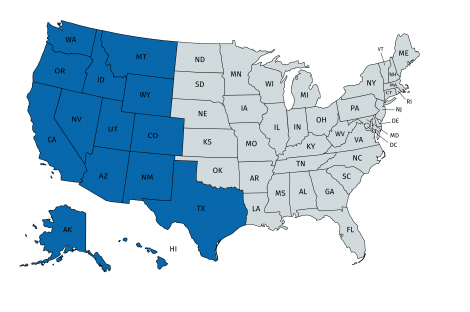
The Trust supports organizations serving people in the Western United States, defined as: Alaska, Arizona, California, Colorado, Hawaii, Idaho, Montana, Nevada, New Mexico, Oregon, Texas, Utah, Washington, and Wyoming.
After a decade of grantmaking to organizations in British Columbia, Canada (BC), and within the Trust’s four program areas described below, the Trust has made the difficult decision to phase out of grantmaking in BC. This decision was not arrived at lightly, but reflects our ongoing commitment to steward the resources entrusted to us and a strategic planning process that affirmed our commitment to deepening our programmatic grantmaking within the western geography of the United States. We are proud of the partnerships we have made with grantees in BC over the past ten years and grateful for the opportunities that arose during this time to invest in organizations that helped our four focus populations thrive.
Our Program Officers are already working with existing BC grantees on a thoughtful and phased drawdown in grantmaking that respects both our values and the relationships we have developed over time with our grantee partners.
Beginning January 1, 2024, funding requests from organizations located in British Columbia will not be accepted. An extremely limited number of non-competitive grants will continue in British Columbia, as we honor the intent of our founder, May Wong Smith.
The Trust’s current funding priorities are reflected in its four program areas: Adults and Transitioning Youth with Disabilities, Elders, Foster Youth, and Veterans and Military Families. Though individuals within each of these populations have specific needs, strengths, and challenges, certain cross-cutting themes underlie the Trust’s decision to prioritize them in its grantmaking, including:
- A recognition of the often-overlooked issues and challenges faced by individuals in these populations
- Growth, or projected growth, in the four focus populations
- The inability of current systems to meet the needs of these populations
- The opportunity to support life-changing services for individuals facing challenging life transitions
- Acknowledgement of the significant contributions that individuals in all four populations can make, given the opportunity and supportive resources
- The importance of caregiving, both formal and informal, at the family, friend, or community level, to both individual and community well-being
- The opportunity to support existing movements to shift societal perceptions, expectations, and relationships regarding these populations
- The desire to support cultural change so that society focuses not simply on the needs of these individuals, but on each individual’s abilities, dignity, potential, and inclusion in a community that is strengthened by the optimum contribution and mutual exchange of talents and resources among its diverse members.
In all of its grantmaking, the Trust is interested in supporting organizations that promote the dignity, agency, and self-sufficiency of individuals within its focus populations, and that strive to achieve a lasting difference in the lives of the people they serve.
To learn more about the grantmaking priorities in each program area, follow the links below:
Adults & Transitioning Youth with Disabilities
Elders
Foster Youth
Veterans & Military Families